Project
Not Your Muse: How Meta Is Building the Most Complete Surveillance Architecture in Human History
Client

Services
Investigative Piece
Policy Analysis
Year
2026
The Challenges
What is happening
In May 2025, someone at Meta wrote a memo about when to launch facial recognition on Ray-Ban smart glasses already in the hands of millions of people worldwide. The memo, first reported by the New York Times, stated that the company planned to launch during "a dynamic political environment" when civil society groups would be too distracted to respond. Shortly afterwards, working facial recognition code was discovered in Meta's smart glasses. Within days of those findings becoming public, the code disappeared. This piece is about what that sequence of events tells us about the surveillance architecture Meta has spent two decades building.
our approach
Part One: The Architecture
To understand what Meta has built, we have to stop looking at its platforms as separate products and start looking at them as a single integrated system. Because that is what they are.

the result
And then there is Oculus
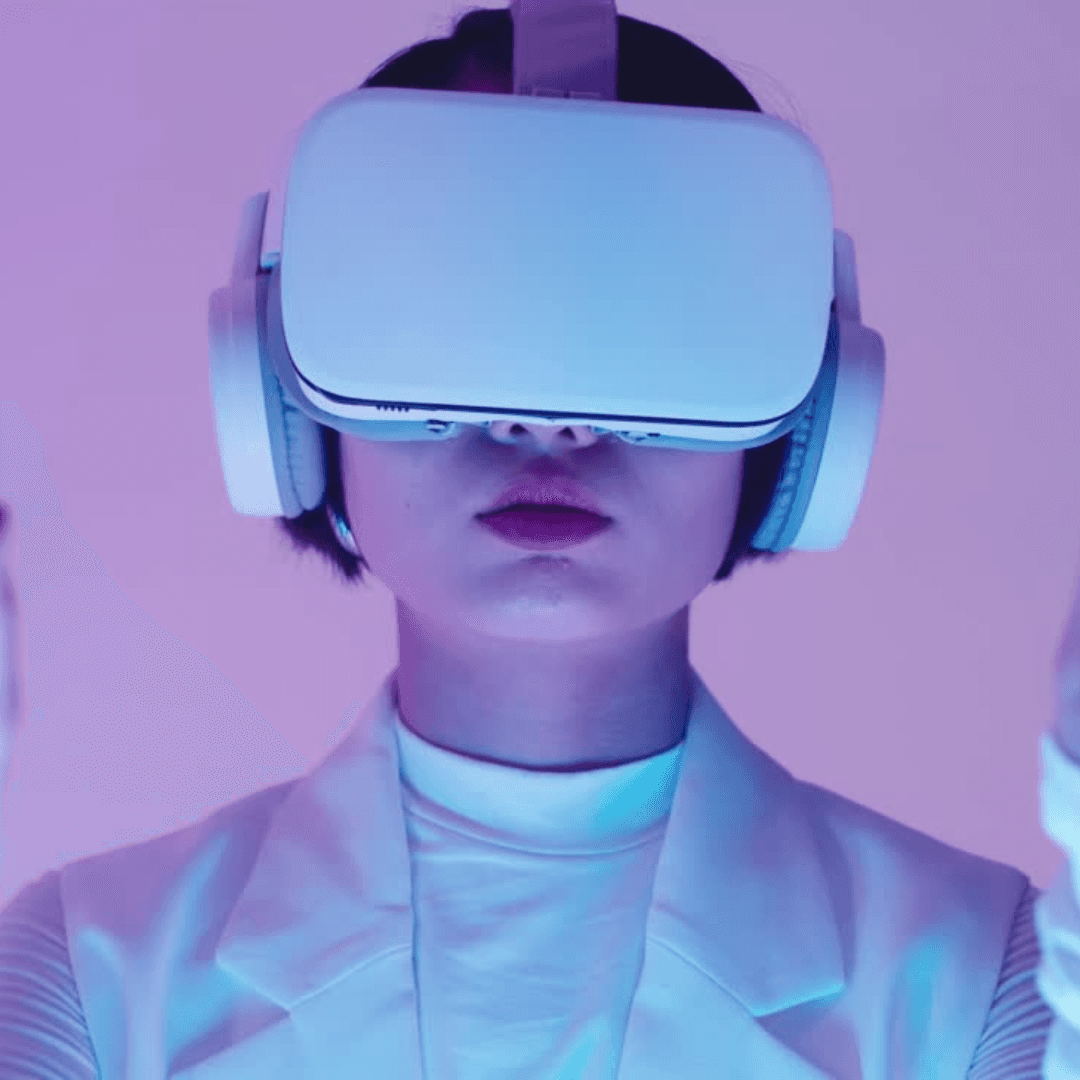
Acquired in 2014 for 2.3 billion dollars, now rebranded as Meta Quest. The headset collects eye tracking data, one of the most intimate biometric signals a human body produces, revealing cognitive load, emotional response, and states that cannot be consciously controlled. It collects hand and body movement data. It maps the physical dimensions of the space we live in. It watches our face through internal cameras while we use it, recording involuntary emotional responses in real time. Research published in 2019 demonstrated that raw image data from VR headsets can accurately identify individuals based on movement patterns alone, patterns so unique they cannot be meaningfully anonymized. Meta paid 1.4 billion dollars to settle a Texas lawsuit in 2024 specifically over its collection of facial recognition data from photos and videos uploaded to Facebook. Two years earlier, it had shut down Facebook's facial recognition system under regulatory pressure, promising to find what it called "the right balance." It found the balance. It moved the facial recognition into a headset. And then into glasses.
3
Active lawsuit
1
Username. Every platform linked.
30
Years of data. One architecture.