Project
GAGGA at COP29 #WeWomenAreWater: A global call for gender-just climate finance
Client
Services
Campaign
Article
Video
Climate Justice
Year
2024
The Challenges
Introduction
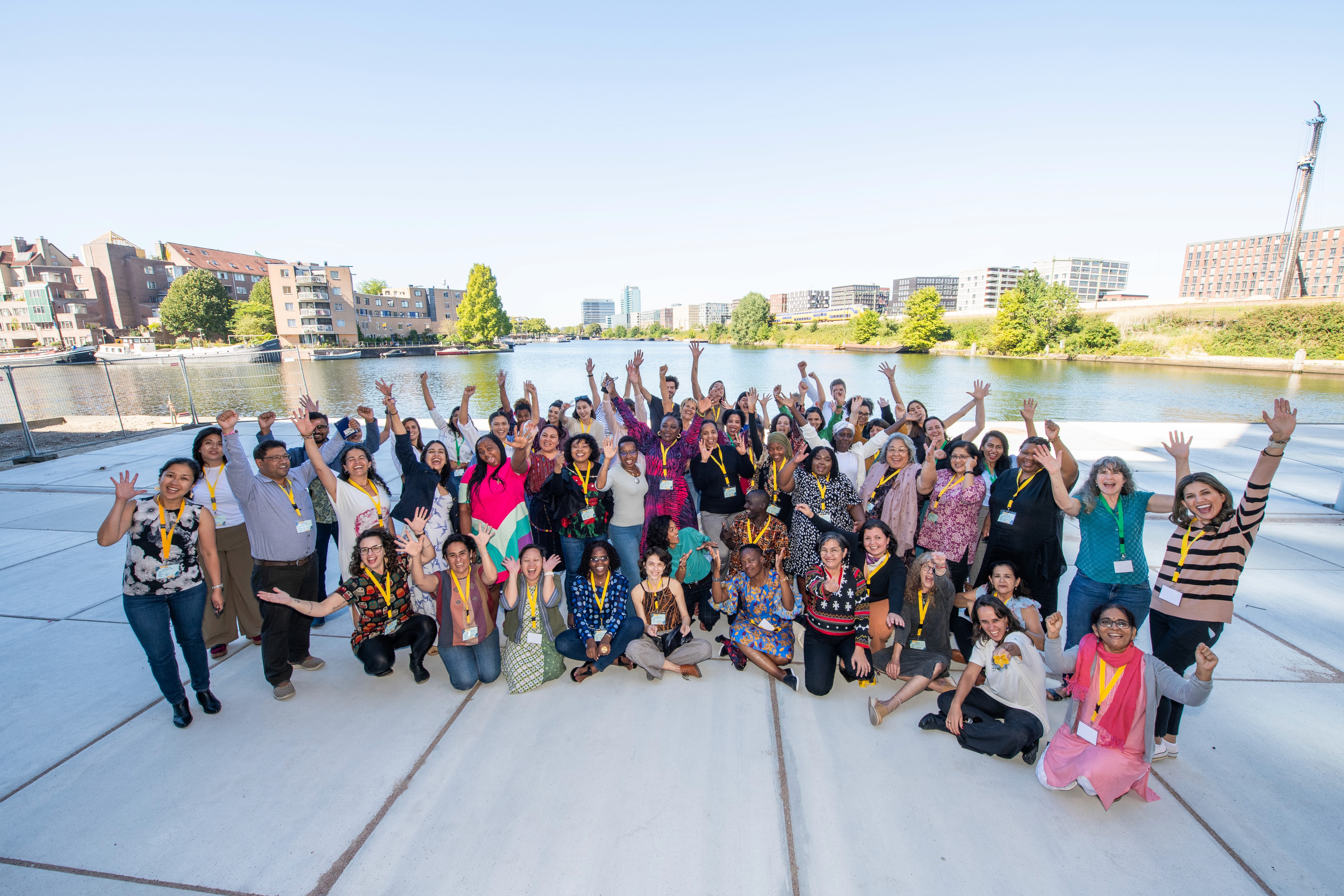
The #WeWomenAreWater campaign was GAGGA's intervention at COP29 in Baku, a coordinated effort to make visible what climate finance keeps making invisible. Women, girls, trans, intersex, and non-binary people from frontline communities are not just bearing the cost of climate breakdown. They are already building the solutions. The campaign connected that evidence directly to the negotiating rooms, demanding that global climate finance follow the proof of impact rather than the architecture of exclusion.
our approach
Where climate finance actually goes, and who it leaves behind
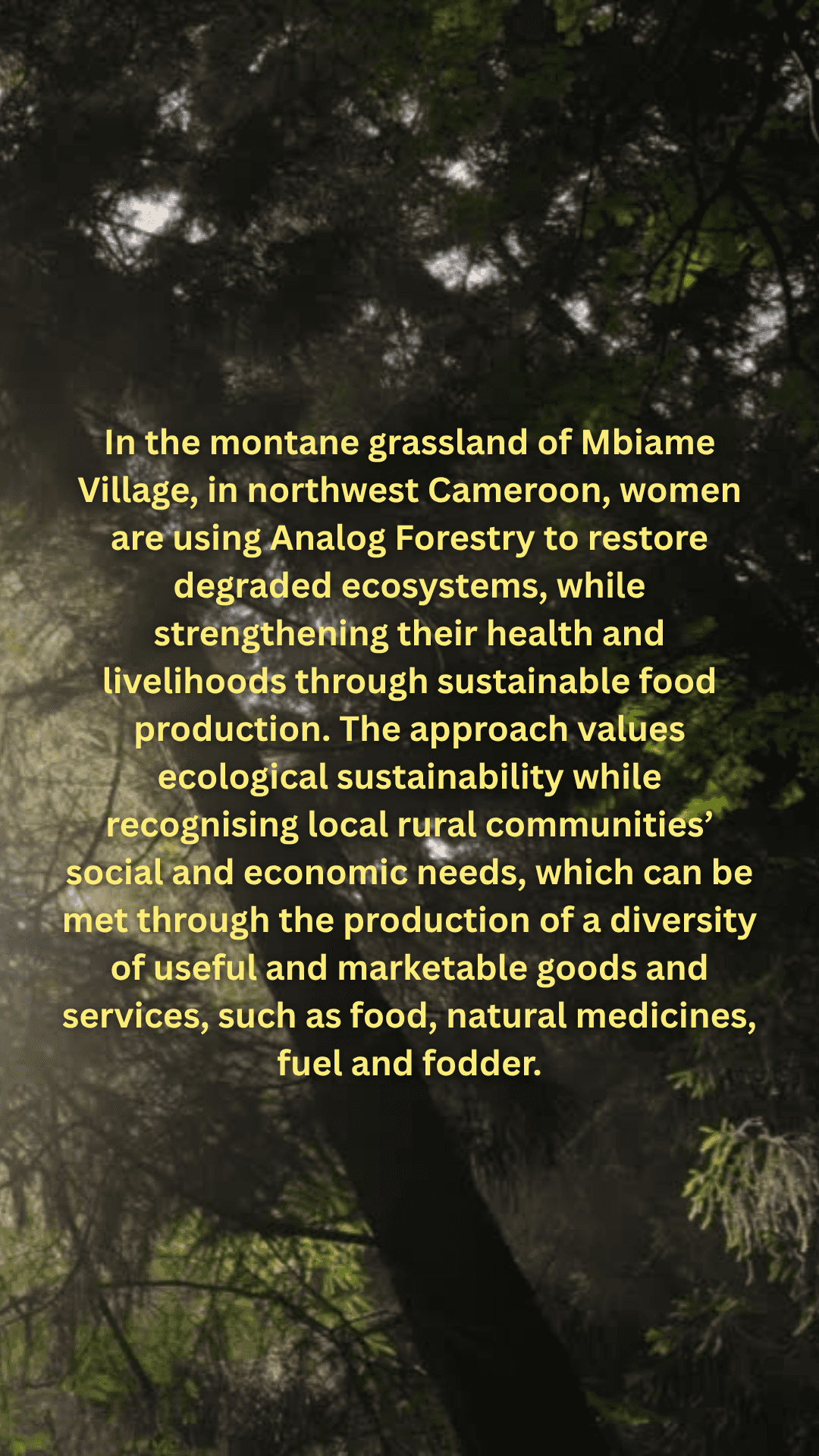
The gap between climate commitments and climate finance is not incidental but structural. The communities doing the most effective adaptation work, Indigenous women restoring ecosystems in Nepal's Kathmandu Valley, Lenca women reclaiming land through agroecology in Honduras, Adivasi farmer-collectives managing biosphere reserves in India, receive a fraction of the resources going to large-scale, technology-driven approaches that have less evidence behind them. The WeWomenAreWater campaign documented more than 50 gender-just climate solutions across GAGGA's network through an interactive map as evidence. A direct challenge to the assumption that community-led approaches are not scalable or fundable.

the result
The evidence exists. The funding architecture chooses not to see it.
COP29 in Baku was, among other things, a negotiation about a New Collective Quantified Goal. Who pays how much into the global climate finance architecture and on what terms. The WeWomenAreWater campaign made the argument inside that negotiation, that the communities most effective at locally-led adaptation are systematically excluded from the finance flows designed to support adaptation. Not because the evidence is absent, GAGGA's 50+ documented case studies demonstrate sustained, transformative impact, but because the funding architecture is built around the wrong accountability relationships. It measures compliance with donor frameworks rather than impact for communities. Redirecting climate finance requires changing not just the amounts but the architecture. That argument was made at three official COP29 side events, including in the UK Pavilion in partnership with FCDO.
2.4%
Climate aid for gender equality
0.22%
ODA reaching women's rights orgs
3%
Philanthropy for women's climate work